KB Kitchen Okubo Authentic Japanese Flavors, Crafted with Heart

KB Kitchen Okubo

Authentic Japanese Flavors, Crafted with Heart

Latest Articles

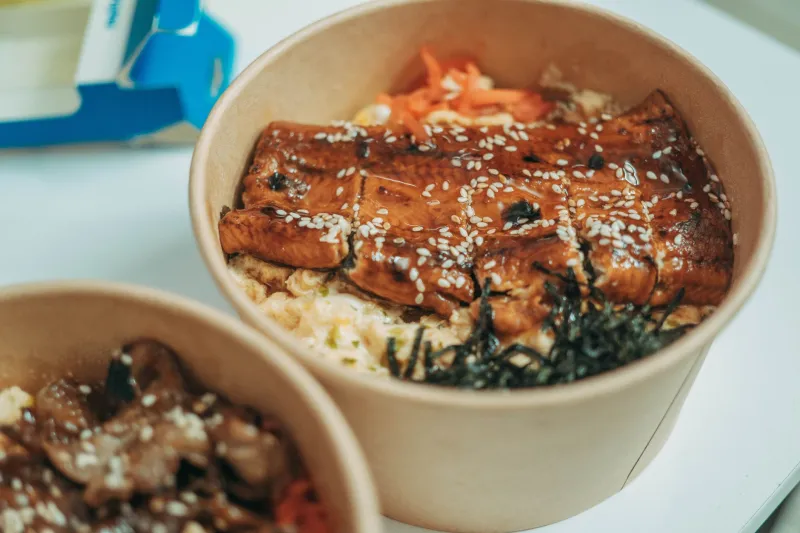
Deep Flavor on a Deadline: Five Japanese Tricks for Weeknights When You Have 15 Minutes
Home Cooking & Ingredients

Deep Flavor on a Deadline: Five Japanese Tricks for Weeknights When You Have 15 Minutes

Japanese food has a reputation for being an all-day project. It isn't. These five fast techniques deliver restaurant-level depth on the busiest Tuesday night.

One Table, One Night, One Chance: The Japanese Idea That Will Change How You Host Dinner
Culinary Craft

One Table, One Night, One Chance: The Japanese Idea That Will Change How You Host Dinner

Ichigo ichie — 'one time, one meeting' — teaches that no two gatherings are ever the same. Here's how embracing that idea transforms even a random Wednesday dinner into something worth remembering.

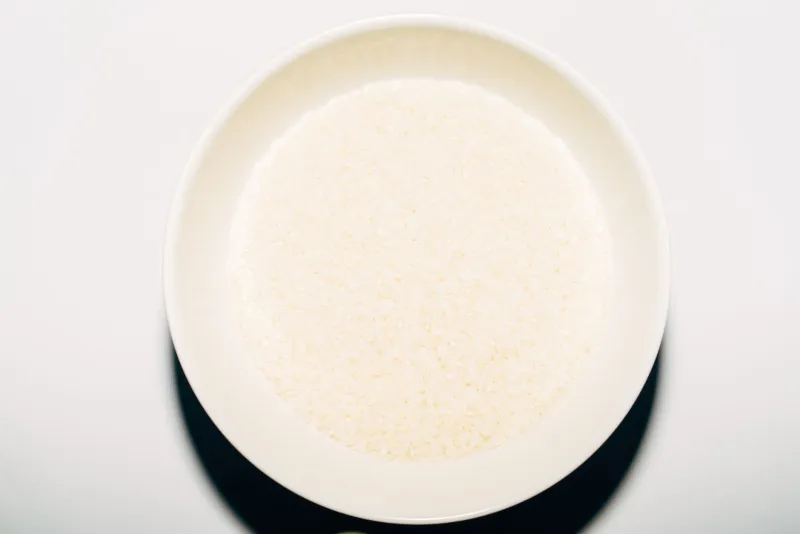
Stop Obsessing Over Knives and Fix Your Rice: The Boring Appliance That Upgrades Every Meal You Make
Home Cooking & Ingredients

Stop Obsessing Over Knives and Fix Your Rice: The Boring Appliance That Upgrades Every Meal You Make

American home cooks will drop $200 on a chef's knife but treat rice as an afterthought. That's backwards. Here's why perfect rice is the highest-return upgrade in your kitchen.

Before You Break the Rules, You Have to Know Them: What Kata Teaches Us About Creative Cooking
Culinary Craft

Before You Break the Rules, You Have to Know Them: What Kata Teaches Us About Creative Cooking

The Japanese concept of kata — mastering a fixed form before you deviate from it — might sound rigid, but it's actually the fastest path to genuine creativity in the kitchen. At KB Kitchen Okubo, we believe that the cooks who improvise best are the ones who learned the fundamentals so thoroughly they stopped thinking about them.

Why the Way Your Kitchen Is Set Up Might Be Holding Your Cooking Back
Home Cooking & Ingredients

Why the Way Your Kitchen Is Set Up Might Be Holding Your Cooking Back

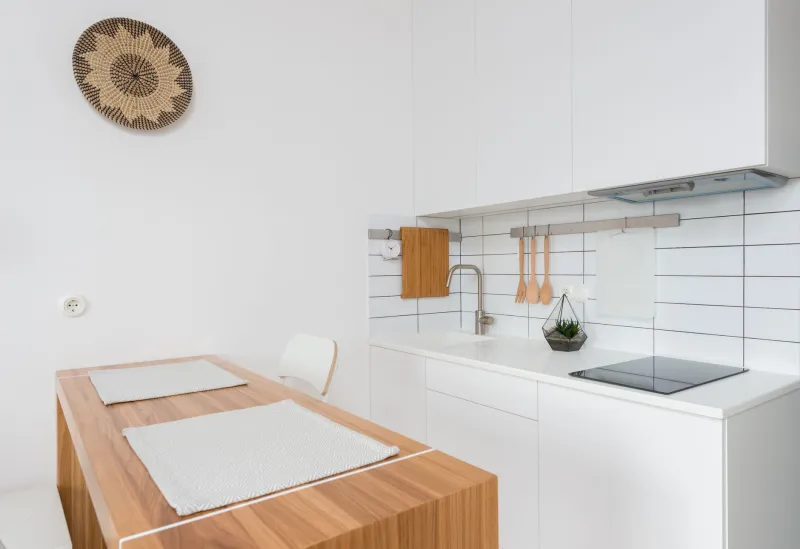
Before a single ingredient hits the pan, your kitchen environment has already shaped the meal you're about to make. Drawing from the calm, intentional design of Japanese culinary spaces, KB Kitchen Okubo explores how small changes to your layout, lighting, and clutter levels can genuinely transform the way you cook.

Trust Your Senses, Not Your Timer: The Japanese Chef's Guide to Knowing When Food Is Ready
Culinary Craft

Trust Your Senses, Not Your Timer: The Japanese Chef's Guide to Knowing When Food Is Ready

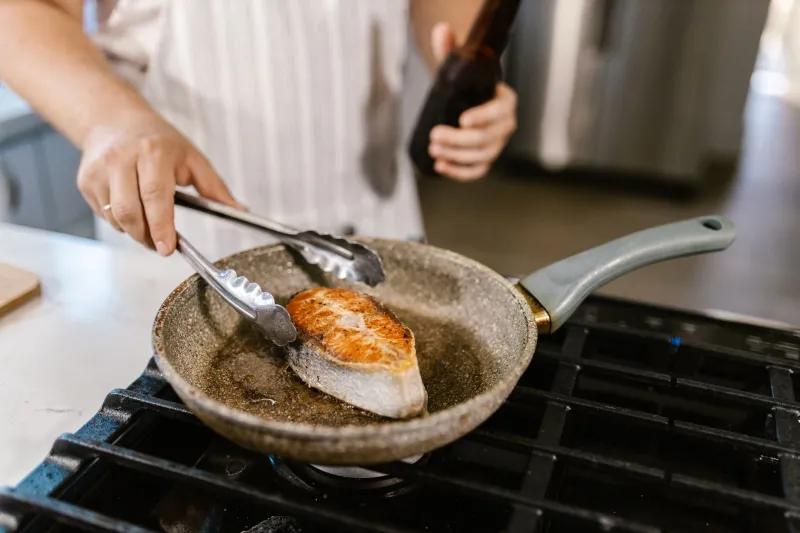
At KB Kitchen Okubo, timers are a last resort — not a first instinct. Japanese chefs have spent generations learning to read food through sound, color, smell, and touch, and those same skills are available to any home cook willing to slow down and pay attention.

The Fifth Taste Nobody Taught You: Building Umami the Japanese Way
Home Cooking & Ingredients

The Fifth Taste Nobody Taught You: Building Umami the Japanese Way

Umami isn't a trend or a buzzword — it's a fundamental building block of flavor that Japanese cooks have been working with for centuries. Here's what's actually happening at the molecular level when you combine miso, soy sauce, and kombu, and how you can use that knowledge to make your everyday cooking taste dramatically better.

Cracked, Crooked, and Completely Beautiful: How Wabi-Sabi Changes the Way You Cook
Culinary Craft

Cracked, Crooked, and Completely Beautiful: How Wabi-Sabi Changes the Way You Cook

At KB Kitchen Okubo, a slightly uneven cut or a bowl placed just off-center isn't a mistake — it's a choice. The Japanese principle of wabi-sabi has guided our chefs for years, and it might be the single most liberating idea you bring into your home kitchen.

Watch First, Cook Later: The Okubo Way of Learning Without a Recipe in Sight
Culinary Craft

Watch First, Cook Later: The Okubo Way of Learning Without a Recipe in Sight

In the traditional Japanese kitchen, a new cook spends months watching before they ever touch a knife. It sounds counterintuitive — but this approach to learning through observation and sensory memory produces cooks who can adapt, improvise, and genuinely feel what a dish needs. Here's what that method looks like, and how you can start applying it at home.

Why Holding Back Is the Boldest Move a Cook Can Make
Culinary Craft

Why Holding Back Is the Boldest Move a Cook Can Make

There's a Japanese concept called ma — the power of deliberate pause, of empty space — and it shows up in our kitchen every single day. At KB Kitchen Okubo, our chefs have learned that the decision to stop, to pull back, to leave something out is often the most flavor-forward choice you can make. If your cooking feels cluttered and busy, this might be the philosophy that changes everything.

Culinary Craft

Nothing Gets Thrown Away: The Okubo Kitchen's Radical Respect for Every Last Scrap

In Okubo kitchens, a carrot top or a fish spine is never just garbage — it's a dish waiting to happen. Discover the cultural philosophy behind Japanese zero-waste cooking and walk away with practical techniques that will change how you look at your cutting board forever.

Culinary Craft

Less Is More: The Japanese Secret to Letting Every Ingredient Speak for Itself

Japanese chefs have long understood something American kitchens are only beginning to catch on to: the most powerful thing you can do for a dish is sometimes leave it alone. By embracing 'ma'—the Japanese concept of meaningful empty space—you can transform the way you cook, plate, and even think about flavor. Here's how restraint becomes the most expressive tool in the kitchen.

How Japanese Cooks Build Flavor in Layers — And Why You Should Never Season All at Once
Culinary Craft

How Japanese Cooks Build Flavor in Layers — And Why You Should Never Season All at Once

There's a reason a bowl of ramen from a great Japanese kitchen tastes deeper and more alive than almost anything you've made at home — and it has nothing to do with secret ingredients. It's about when and how you season, not just what you add. Here's how Okubo's chefs think about salt, soy, and umami as a conversation rather than a checklist.

What Happens When You Stop Talking and Start Listening to Your Food
Culinary Craft

What Happens When You Stop Talking and Start Listening to Your Food

In Okubo's most respected kitchens, silence isn't awkward — it's the whole point. Discover how the Japanese concept of 'ma' shapes the way chefs cook, and how tuning out the noise in your own kitchen might be the single biggest upgrade you can make to your cooking.

The Quiet Power of a Long-Simmered Broth: What Japanese Dashi Can Teach You About Flavor
Culinary Craft

The Quiet Power of a Long-Simmered Broth: What Japanese Dashi Can Teach You About Flavor

Behind every bowl of miso soup, every silky ramen, and every delicate Japanese sauce is a broth that took time — real time — to become itself. Here's why Okubo's chefs swear by the slow build of dashi, and how you can bring that same depth to your home kitchen without a culinary degree or a specialty store membership.

Slow Down to Cook Better: How Okubo's Chefs Turn Prep Time into a Daily Practice
Culinary Craft

Slow Down to Cook Better: How Okubo's Chefs Turn Prep Time into a Daily Practice

Before a single burner gets turned on in Okubo's kitchen, something quieter happens — a deliberate, almost ceremonial arrangement of ingredients and tools that sets the tone for everything that follows. It's not just efficiency. For Japanese cooks, preparation is the practice itself, and it's something American home cooks can genuinely bring into their own kitchens.

Eating by the Calendar: How Japan's Shun Philosophy Could Completely Change the Way You Shop and Cook
Culinary Craft

Eating by the Calendar: How Japan's Shun Philosophy Could Completely Change the Way You Shop and Cook

In Japan, the concept of shun — cooking with ingredients at their absolute seasonal peak — isn't a trend. It's a way of life that shapes menus, markets, and meals from January through December. Here's why American home cooks are starting to pay attention, and how a little Okubo-inspired thinking can make your grocery runs way more intentional.

Why the Way Your Food Looks Is Half the Meal: Japanese Plating Secrets You Can Use at Home Tonight
Home Cooking & Ingredients

Why the Way Your Food Looks Is Half the Meal: Japanese Plating Secrets You Can Use at Home Tonight

Japanese cuisine doesn't just taste different — it looks different in a way that's almost impossible to ignore. The careful use of empty space, mismatched vessels, and deliberate color placement isn't accidental or pretentious. It's a centuries-old language of hospitality that any home cook can start speaking with a little guidance.

5 Okubo Dishes You've Probably Never Heard Of (But Absolutely Should Try)
Home Cooking & Ingredients

5 Okubo Dishes You've Probably Never Heard Of (But Absolutely Should Try)

Most Americans' mental map of Japanese food starts with sushi and ramen and doesn't stretch much further. But Okubo's neighborhood kitchens are full of dishes that never made it onto US menus — humble, deeply satisfying foods that tell a richer story about Japanese culinary life. Here are five you need to know, plus how to bring them into your own kitchen.

What Okubo's Kitchen Philosophy Can Teach American Cooks About Doing Less and Tasting More
Culinary Craft

What Okubo's Kitchen Philosophy Can Teach American Cooks About Doing Less and Tasting More

Okubo's culinary identity isn't built on elaborate technique or exotic showmanship — it's built on restraint, seasonal honesty, and deep respect for ingredients. For American home cooks chasing complexity, this Tokyo neighborhood offers a quietly radical counter-argument. Here's what cooking the Okubo way actually looks like, and why it might change how you think about dinner tonight.