5 Okubo Dishes You've Probably Never Heard Of (But Absolutely Should Try)

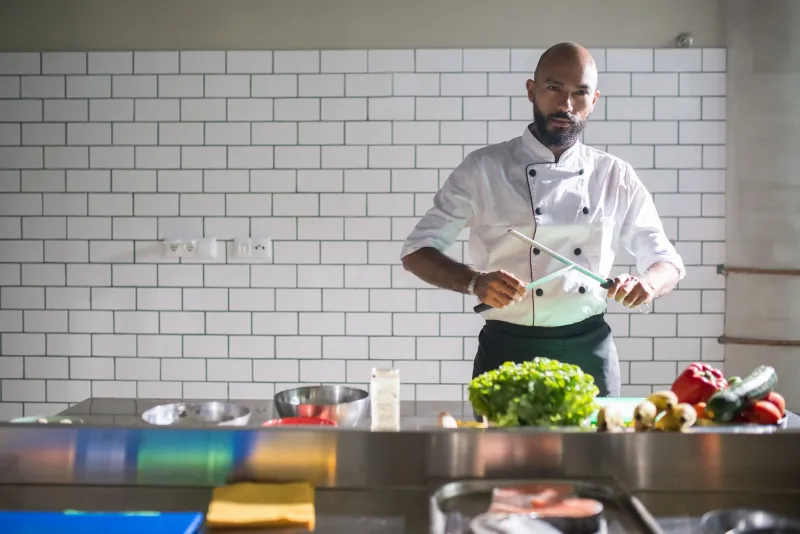
Photo by Photo by PJH on Unsplash on Unsplash
Let's be honest: most Americans are working with a pretty narrow slice of Japanese cuisine. Sushi, ramen, maybe tempura or teriyaki on a good day. And those dishes are genuinely great — nobody's arguing otherwise. But they represent a tiny fraction of what Japanese food actually looks like, especially at the neighborhood level.
Okubo's food scene runs deep. This is a community with real culinary roots, and the dishes that locals actually eat day-to-day are often worlds away from what shows up on US restaurant menus. They're quieter, more seasonal, and built for comfort rather than spectacle. If you've been wanting to push past the usual suspects and explore Japanese cooking with a little more depth, these five Okubo staples are an excellent place to start.
1. Tonjiru — The Soup That Puts Miso Soup to Shame
Miso soup gets all the attention, but tonjiru is the version that actually fills you up and makes you feel taken care of. It's a hearty pork and root vegetable miso soup — typically loaded with burdock root, daikon, carrots, konnyaku, and generous chunks of pork belly — that functions more like a full meal than a side dish.
In Okubo, tonjiru is classic cold-weather comfort food, the kind of thing that shows up at family tables when the temperature drops and everyone needs something warming and substantial. The depth of flavor comes from the combination of the pork fat, the earthy burdock, and a generous hand with the miso.
Cultural note: Tonjiru has strong associations with home cooking and maternal care in Japanese culture — it's the soup your grandmother makes, not the one you order at a trendy restaurant.
Try it at home: It's genuinely approachable. Brown pork belly pieces in a pot, add dashi, then load in your root vegetables. Finish with a generous scoop of red or blended miso. Burdock root can be found at most Asian grocery stores in the US, and it's worth tracking down — it adds an earthy, almost nutty note that makes the dish.
2. Tamagoyaki — The Everyday Egg Dish with Surprising Technique
Tamagoyaki is a rolled Japanese omelet, and it sounds simple because it is — eggs, a little dashi, a touch of soy sauce and mirin, cooked in thin layers and rolled into a neat rectangle. But the technique involved is genuinely satisfying to learn, and the result is something that tastes nothing like a Western omelet.
In Okubo's neighborhood eateries and bento shops, tamagoyaki is everywhere. It's a lunchbox staple, a breakfast side, and a bar snack. The texture is silky and slightly sweet, and it's the kind of thing that seems modest until you taste it and realize it's been quietly perfect all along.
Try it at home: You'll want a rectangular tamagoyaki pan if you can find one (they're widely available online and at Asian kitchen stores), but a small regular skillet works too. The key is cooking over medium-low heat and rolling each layer before it fully sets. It takes a few tries to get the roll tight, but the learning curve is part of the fun.
3. Niku Jaga — Japan's Answer to Beef Stew
Niku jaga translates roughly to "meat and potatoes," and that's more or less what it is — a sweet-savory braise of thinly sliced beef (or sometimes pork), potatoes, onions, and sometimes carrots or konnyaku, simmered in a dashi-based broth seasoned with soy sauce, mirin, and a little sugar.
It's Japanese comfort food in its purest form. Okubo home cooks make it regularly, and it has the same cultural weight in Japan that pot roast or chicken soup carries in American households. It's nostalgic, warming, and deeply satisfying in a way that doesn't need any explanation.
Cultural note: Niku jaga is often cited as one of Japan's most beloved "mother's cooking" dishes — the kind of meal people describe when they talk about what home tastes like.
Try it at home: Use thinly sliced beef (look for shabu-shabu cut beef at Asian grocery stores, or slice your own ribeye thin). Sauté the beef and onions first, then add dashi, potatoes, and your seasonings. Simmer until the potatoes are tender and have absorbed the broth. It's genuinely easy and wildly delicious over a bowl of steamed rice.
4. Ochazuke — The Late-Night Bowl That Fixes Everything
Ochazuke is rice with hot tea poured over it, topped with a few simple garnishes — maybe some pickled plum (umeboshi), nori, sesame seeds, or a bit of grilled salmon. That's it. It sounds almost too simple to be a real dish, but in Okubo (and across Japan), it's a beloved late-night staple and a gentle, restorative meal for when you're tired, slightly under the weather, or just want something that asks nothing of you.
The combination of warm tea, soft rice, and a few salty, savory toppings is quietly brilliant. It's the culinary equivalent of a deep breath.
Try it at home: Start with leftover cooked rice (day-old rice actually works beautifully here). Brew a pot of green tea or hojicha, pour it over the rice while hot, and add whatever toppings appeal to you. Umeboshi and nori are the classic combination. This is a zero-effort, high-reward dish that will immediately earn a place in your regular rotation.
5. Kakuni — Slow-Braised Pork Belly That Earns Its Time
Kakuni is melt-tender braised pork belly, simmered low and slow in a deeply seasoned mixture of soy sauce, sake, mirin, and sugar until the fat is silky and the meat practically dissolves. It's rich, lacquered, and completely over-the-top in the best possible way.
In Okubo, kakuni shows up at izakayas and home tables alike. It's the kind of dish that takes time but requires relatively little active effort — most of the cooking happens while you're doing something else. The payoff is enormous.
Try it at home: Blanch your pork belly first to remove impurities, then braise it covered in your soy-sake-mirin mixture for at least 90 minutes, ideally two hours. The longer it goes, the better. Serve over rice with a drizzle of the reduced braising liquid and a little mustard on the side. It's a weekend project that will make your kitchen smell incredible and your dinner guests very happy.
The dishes that define a neighborhood's food culture are almost never the ones that travel internationally first. Okubo's culinary identity lives in these quieter, more personal preparations — the soups and braises and simple egg dishes that show up at family tables and neighborhood spots night after night. They're not trying to impress anyone. They're just trying to feed you well. And honestly, that's what the best cooking always does.