Slow Down to Cook Better: How Okubo's Chefs Turn Prep Time into a Daily Practice
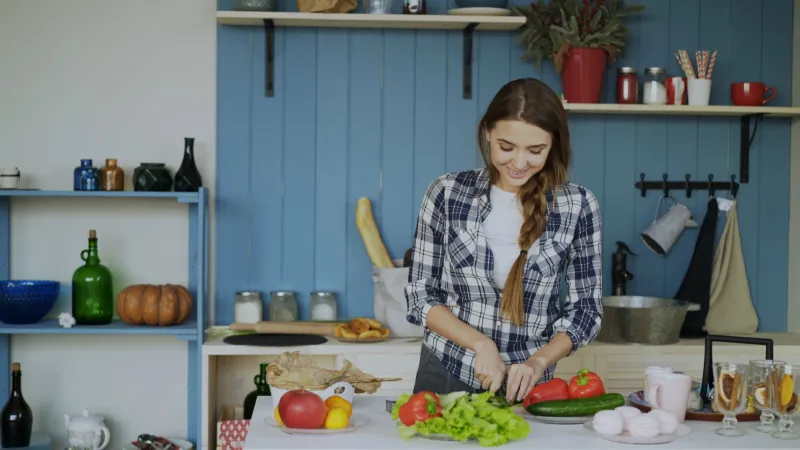
Most of us treat cooking prep like a necessary evil — the chopping, measuring, and organizing we rush through just to get to the actual meal. But spend any time watching the kitchen team at KB Kitchen Okubo before service begins, and you'll notice something that stops you in your tracks. Nobody is rushing. Nobody is frantic. There's a stillness to the room that feels almost out of place in a professional kitchen.
That stillness is intentional. And it has a lot to teach us.
What's Really Happening Before the First Flame
In Japanese culinary culture, the concept of mise en place — the French phrase for "everything in its place" — goes deeper than efficiency. While Western kitchens adopted the term largely as a logistical tool, Japanese cooks have long folded the idea into something more personal. Preparation isn't just about having your onions diced before the pan heats up. It's about arriving at the stove with a clear head, a calm body, and a genuine sense of intention about what you're about to create.
Kenji, one of the line cooks at KB Kitchen Okubo, described it this way during a recent conversation before the dinner rush: "When I'm setting up my station, I'm not thinking about what comes after. I'm thinking about what's in front of me. This daikon. This dashi. What does it need today?" He paused, then laughed a little. "It sounds strange, maybe. But it changes how the food comes out."
It doesn't sound strange at all, actually. It sounds like meditation.
The Connection Between Stillness and Skill
There's a reason experienced Japanese chefs often describe cooking as a kata — a form or pattern, the same word used in martial arts to describe practiced sequences of movement. The idea is that repetition done with full attention builds not just muscle memory, but a kind of wisdom. You stop fighting the process and start listening to it.
For American cooks, this can feel counterintuitive. We're wired for multitasking. We scroll our phones while the garlic browns, we half-watch a show while we're stirring. And then we wonder why cooking feels stressful, or why the food never quite tastes the way we imagined it would.
The Okubo kitchen approach suggests a different experiment: what if you gave the prep your full attention, even just for twenty minutes?
Practical Ways to Bring This Into Your Home Kitchen
You don't need a professional kitchen or a culinary degree to experiment with this approach. Here's what it actually looks like in practice, adapted for a home cook in, say, a Chicago apartment or a suburban Texas kitchen.
Start before you start. Before you touch a single ingredient, take sixty seconds to read through your recipe completely. Not skimming — actually reading. Picture the steps. This is the Japanese cook's version of setting an intention, and it genuinely reduces mid-cook panic.
Lay everything out visibly. Pull your ingredients from the fridge and pantry and set them on the counter in the order you'll use them. This isn't just practical — it creates a visual relationship with your meal before it exists. You start to see the dish taking shape before anything has been cooked.
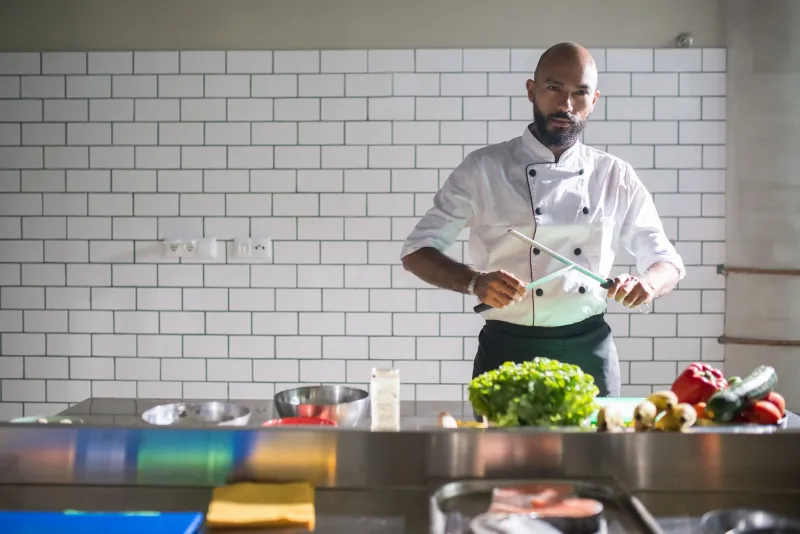
Cut with focus, not speed. One of the things that stands out in the Okubo kitchen is that prep work is done at a measured pace. The knife moves with confidence, not urgency. Try putting your phone in another room while you chop. Notice the texture of the vegetables, the smell released when you cut into an onion or crush a clove of garlic. These details matter to the cook, even when they don't make it onto the plate.
Arrange before you cook. Small bowls or ramekins for pre-measured spices, ingredients grouped by when they'll be added, a clean workspace with only what you need — this is the physical form of mental clarity. When your station is calm, you tend to cook calmer.
Acknowledge the transition. In many Japanese kitchens, there's a subtle but real shift between prep and cooking — a moment where the cook takes stock of what's ready and commits to beginning. You can create your own version of this. A deep breath. A quick look over your setup. Whatever signals to your brain: we're ready now.
Why This Actually Makes the Food Better
Here's the part that's hard to explain but easy to taste: food cooked with full attention tends to turn out better. Not because of any mystical reason, but because attentive cooks catch things. They notice when the heat is slightly too high. They smell when something's about to turn. They taste as they go rather than just at the end.
Chef Mika, who oversees much of the daily prep at KB Kitchen Okubo, put it plainly: "When you're distracted, you miss things. Small things. But in cooking, small things are everything. A little more salt, a little less time — these are the differences between okay and really good."
The meditative approach to prep isn't about being precious or slow for the sake of it. It's about building the kind of focused awareness that makes you a more responsive cook. And responsive cooks make better food.
Reframing What Cooking Actually Is
A lot of Americans feel guilty about not enjoying cooking more. We see it portrayed as this joyful, creative act, but in real life it often feels like another item on an already overwhelming to-do list. The Okubo kitchen philosophy offers a gentle reframe: cooking doesn't have to be the thing you power through to get to dinner. The preparation itself can be the part of the day where you decompress, where you get out of your head, where you do something tangible and real.
That's not a small thing. In a culture that glorifies busyness, choosing to be fully present while you peel a carrot is quietly radical.
The chefs at KB Kitchen Okubo didn't set out to teach anyone a life philosophy. They're just cooking the way they were taught, the way their mentors cooked before them. But there's something in that lineage worth borrowing — the idea that how you prepare is inseparable from what you create.
Slow down a little next time you cook. See what you notice.