Eating by the Calendar: How Japan's Shun Philosophy Could Completely Change the Way You Shop and Cook
Walk into any American grocery store in the middle of January and you'll find strawberries. Ripe-looking, perfectly red strawberries. You might toss a clamshell into your cart without a second thought — because why not? They're right there. But here's the thing: those strawberries were probably grown thousands of miles away, picked before they were ready, and shipped to your store in a refrigerated truck. They look the part. They just don't quite taste it.
Now imagine a different way of thinking about food — one where the calendar genuinely dictates what ends up on your plate, and where using an out-of-season ingredient would feel almost as strange as wearing a winter coat in July. That's the world of shun, the Japanese philosophy of eating in harmony with the seasons. It's a concept that sits at the very heart of how chefs in places like Okubo approach their menus, and it's something American home cooks are slowly — but meaningfully — starting to discover.
What Shun Actually Means (And Why It's More Than Just "Eating Local")
Shun (旬) translates roughly to "the peak season" of an ingredient — that narrow window when a fruit, vegetable, or fish is at its most flavorful, most nutritious, and most abundant. Japanese culinary culture doesn't just acknowledge this window. It celebrates it. A chef in Okubo might completely overhaul their menu four or five times a year not because they feel like switching things up, but because the ingredients available in late spring are simply incomparable to what grows in early autumn.
This is fundamentally different from how most Americans experience seasonal eating. In the U.S., seasonality often gets filtered through the lens of convenience or trend — pumpkin spice in October, watermelon in July. But shun is less about broad strokes and more about precision. It's about knowing that bamboo shoots are only truly worth cooking for a few weeks in early spring. That sanma (Pacific saury) hits its fatty, deeply savory best in the fall. That the first tender fiddlehead ferns of March deserve to be treated with real reverence.
The difference is intentionality. Shun asks you to be present with what the earth is actually producing right now — not what the supply chain has made available year-round.
How Okubo Chefs Think About the Seasonal Calendar
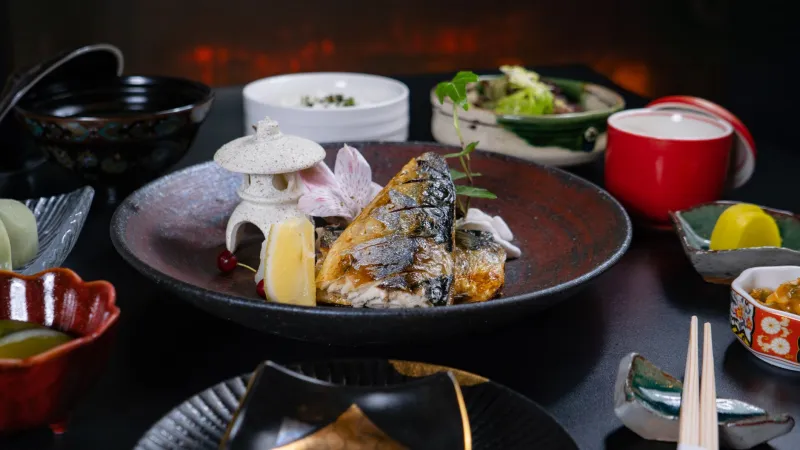
At establishments in Okubo, the seasonal menu isn't just a rotating list of specials. It reflects a genuine relationship between the kitchen and the time of year. Spring menus might highlight the subtle bitterness of fresh mountain vegetables (sansai) and the clean, grassy sweetness of new-harvest green tea. Summer calls for cooling dishes — chilled soba, lightly pickled cucumbers, ice-cold tofu — ingredients that feel like a physical response to the heat. Autumn is rich and earthy: matsutake mushrooms, sweet chestnuts, and the deeply savory fish that have fattened up over summer. Winter brings warmth through slow-simmered hot pots and root vegetables that have concentrated their sugars in the cold.
Each season carries its own emotional register, and the food reflects that. This isn't just culinary philosophy — it's a kind of storytelling through ingredients.
What This Looks Like in an American Kitchen
Here's the good news: you don't need to completely overhaul your cooking to bring some shun thinking into your home. Start small, and start local.
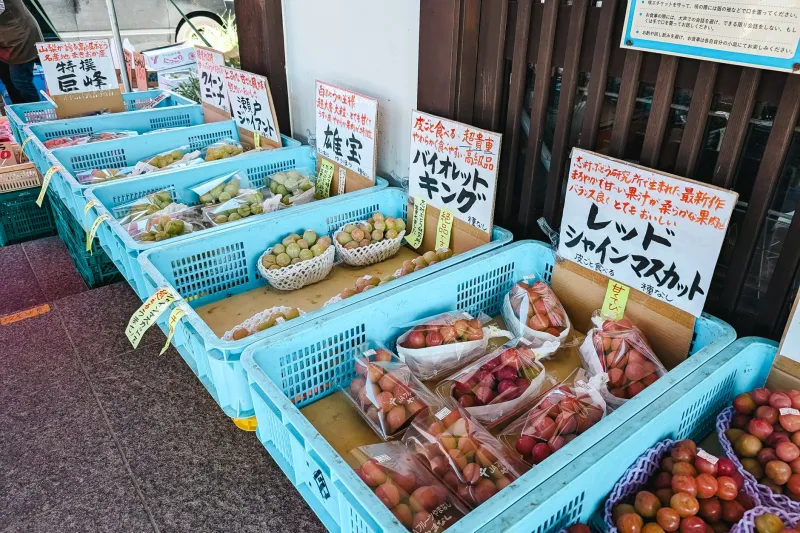
Get familiar with your region's actual seasons. A farmers' market is your best friend here. Not because it's trendy, but because it gives you an honest, unfiltered look at what's genuinely growing near you right now. The vendors at your local market aren't shipping in out-of-season produce — what you see is what the land is actually offering. Spend a few Saturdays just walking around, talking to growers, and noticing what keeps showing up week after week.
Let scarcity guide excitement. Part of what makes shun so powerful is that seasonal ingredients feel special precisely because they won't be around forever. When you know that ramps only show up for three or four weeks in spring, or that Concord grapes have a tiny window in early fall, you start to treat those ingredients differently. You plan meals around them. You pay closer attention to how you cook them. That shift in mindset alone can transform how engaged you feel in the kitchen.
Plan your weekly meals backward from the market, not forward from a recipe. This is a small but radical change. Instead of deciding on a recipe and then hunting down the ingredients, try seeing what looks best at the store or market first — and building your meals around that. It's how professional chefs think, and it's a habit that naturally aligns you with seasonal rhythms.
The Practical Payoff: Less Waste, More Flavor
Beyond the philosophy, there are genuinely practical reasons to cook this way. Seasonal produce is almost always cheaper than out-of-season alternatives — supply is high, and you're not paying for long-haul refrigerated transport. It also tends to last longer in your fridge because it hasn't been sitting in a shipping container for days.
And then there's the flavor argument, which is frankly hard to argue with. A tomato grown locally and picked ripe in August tastes like a completely different food than a January grocery store tomato. The same goes for peaches, corn, asparagus, and dozens of other ingredients. When you cook with produce at its peak, you don't need to do as much to it. The ingredient carries the dish — which, not coincidentally, is exactly what Okubo-style cooking is all about.
A Simple Seasonal Shift to Try This Week
If you want to dip your toes into shun-inspired cooking without completely rethinking your routine, try this: pick one ingredient that's genuinely in season where you live right now, and build three different meals around it this week. Treat it as the star — not a supporting player. Notice how your relationship with that ingredient changes when you give it your full attention.
That's the Okubo way. Not a rigid system or a set of rules, but a kind of attentiveness — a willingness to let the calendar guide the kitchen, and to find real satisfaction in working with what the season is actually offering.
Once you start cooking this way, that January strawberry is never quite the same.