Stop Obsessing Over Knives and Fix Your Rice: The Boring Appliance That Upgrades Every Meal You Make
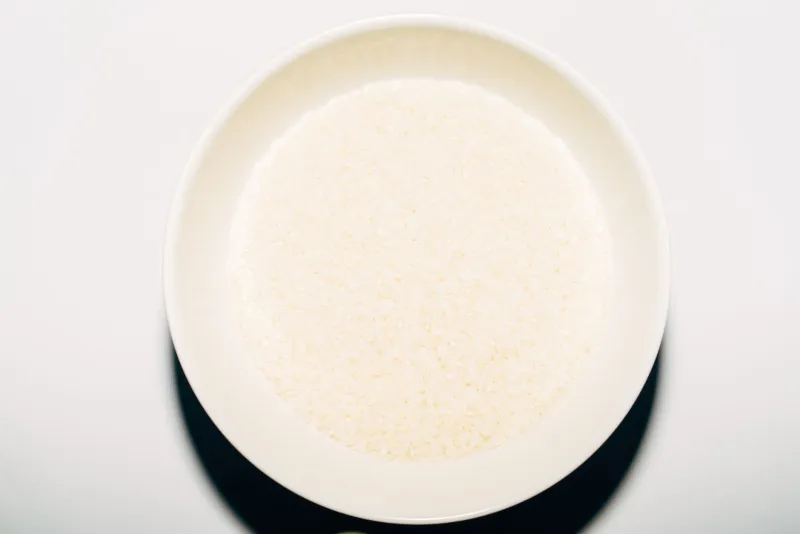
Let me say the controversial thing up front: you don't need another knife. You need to fix your rice.
American home cooks love gear. We debate whetstone grits, argue about carbon steel versus German stainless, watch 40-minute videos on knife technique. Meanwhile, the rice — the actual foundation of half the meals we cook — gets made in a dented pot with the "eyeball it and hope" method. Then we wonder why our grain bowls taste flat and our fried rice turns gummy.
In Japanese cooking, this would be unthinkable. Rice isn't a side. It's the shushoku — the main staple — and everything else is built around it. Get the rice right and even a simple dinner of rice, pickles, and grilled fish feels complete. Get it wrong and no amount of fancy protein saves the meal.
Why Rice Is the Whole Game
Think about what rice actually does in your cooking:
Grain bowls live or die on it. A grain bowl is 70% rice. If the rice is mushy or chalky, the bowl is mediocre no matter how good your toppings are. If the rice is fluffy, distinct, and properly seasoned, plain beans and an egg taste like a restaurant.
Fried rice demands day-old perfection. Fried rice made from bad rice is a soggy tragedy. Fried rice made from well-cooked, well-chilled rice is a weeknight masterpiece. The difference isn't skill — it's the starting material.
It's the cheapest luxury you own. A $15 bag of good short-grain rice feeds you for weeks. Compared to what we spend on specialty anything, rice is the best value in the grocery store — if you cook it right.
The Case for the Humble Rice Cooker
A basic rice cooker is not a gadget. It's an insurance policy. It washes (well, you wash), measures, times, and holds rice at serving temperature without you thinking about it. No scorched bottoms, no undercooked centers, no lifting the lid "just to check" and ruining the steam.
And here's the part nobody mentions: a rice cooker frees up your stovetop. While it hums away, you have your whole range for everything else. For busy households, that alone justifies the counter space.
If you refuse to own one, fine — the stovetop Japanese method works beautifully: rinse the rice until the water runs mostly clear, use a 1-to-1.1 rice-to-water ratio by weight, bring to a boil, cover, drop to the lowest heat for about 12 minutes, then rest off-heat for 10 more without peeking. But you have to actually do it right every time. The cooker does it right every time while you pour a drink.
The Real Argument
Here's my honest take: mastering rice changes the psychology of your kitchen. Once the staple is reliable and delicious, everything else gets easier and cheaper. Vegetables plus great rice becomes dinner. Leftovers plus great rice becomes fried rice. An egg plus great rice becomes tamago kake gohan — one of the most beloved comfort foods in Japan, made from literally two ingredients.
Knives are sexy. Rice cookers are not. But the best upgrade isn't the one that looks good on your knife magnet — it's the one that makes every single meal better, starting tonight.
Wash your rice. Measure your water. Your future dinners will thank you.