Deep Flavor on a Deadline: Five Japanese Tricks for Weeknights When You Have 15 Minutes
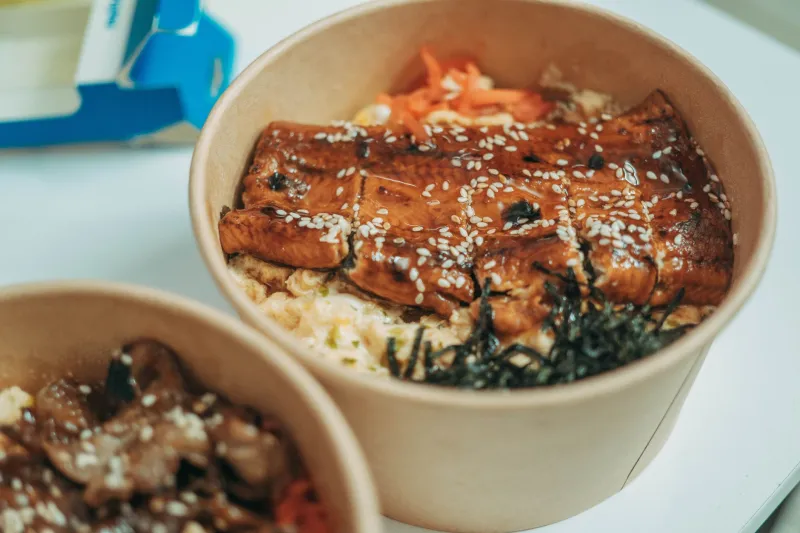
Let's kill the myth right now: not all Japanese cooking is dashi simmered for hours and broth that gets tended like a newborn. Walk through Okubo at 7 p.m. and you'll see cooks turning out incredible food in minutes — because the cuisine is full of shortcuts that look like slow cooking.
Here are five you can use tonight, in an American kitchen, with ingredients from a normal grocery store.
1. Quick-Pickle Everything
This is the single highest-leverage move in Japanese home cooking. Thin-slice any crunchy vegetable — cucumbers, radishes, red onion, carrots — toss with a pinch of salt and a splash of rice vinegar, and wait ten minutes. That's it. You've made tsukemono, a bright, sharp counterpoint that makes rich food taste balanced and plain food taste intentional. It works while your rice cooks.
2. Flash-Glaze Your Protein
Teriyaki in under six minutes: sear chicken thighs, salmon, or tofu in a hot pan, then pour in a mix of equal parts soy sauce, mirin, and sake (or dry sherry — no judgment). Let it bubble and spoon it over the protein until it turns glossy and clingy. The glaze caramelizes fast and tastes like it's been basting for an hour.
3. Finish with Yuzu Kosho
This fermented chili-citrus paste is the weeknight cheat code nobody talks about. A tiny dab stirred into soup, smeared on grilled meat, or whisked into mayo transforms the whole dish — funky, bright, spicy, complex. One jar lives in your fridge for months and makes you look like you know something. Because now you do.
4. Serve Something Cold
Hiyayakko — chilled silken tofu with soy sauce, scallions, and bonito flakes — takes ninety seconds and requires zero cooking. Cold dishes are the Japanese answer to hot, exhausting weeknights: no stove drama, maximum refreshment. Add cold soba noodles with a soy-mirin dipping sauce and you've got a full meal that never touched a burner for more than four minutes.
5. Season in Stages, Not at the End
Here's the fastest flavor trick of all: salt your vegetables the moment they hit the pan, add soy sauce midway, and finish with something aromatic — toasted sesame, shichimi togarashi, a drop of good olive oil if you must. Layering seasoning at three points takes no extra time but builds the depth people associate with long cooking. It's layering, not duration, that reads as "slow."
Put It Together
Tuesday, 6:30 p.m.: rice cooker doing its thing. Cucumbers pickling in the fridge. Salmon flash-glazing in the pan. Cold tofu on the side with yuzu kosho. Total active time: about 15 minutes. Total flavor: the kind people assume took all afternoon.
Slow flavor isn't about slow cooking. It's about smart moves — and Japanese home cooks have been making them for generations.