One Table, One Night, One Chance: The Japanese Idea That Will Change How You Host Dinner

There's a phrase you'll hear in tea houses across Japan: ichigo ichie. Roughly translated, it means "one time, one meeting" — the idea that this exact gathering, with these exact people, in this exact moment, will never happen again. Even if you serve the same meal to the same friends next month, it won't be this meal.
At KB Kitchen Okubo, we think about this a lot. Because honestly, most of us cook on autopilot. We throw together dinner while mentally rehearsing tomorrow's meeting, eat half-standing at the counter, and clean up without a single memory forming. The food might be fine. The night disappears anyway.
Ichigo ichie asks a simple question: what if you treated tonight's dinner like it mattered?
The Dinner You'll Never Get Back
Here's the uncomfortable math. If you cook dinner five nights a week, that's roughly 260 meals a year. Most of them blur together. But the Japanese tea masters who coined ichigo ichie weren't interested in quantity — they were interested in presence. A tea ceremony took hours of preparation precisely because the host believed the guest deserved that effort, and that the moment deserved to be fully inhabited.
You don't need hours. You need intention.
The beautiful thing about this philosophy is that it's not about impressing anyone. It's the opposite, really. It's about noticing what's already there: the people at your table, the season outside your window, the fact that your kid asked for seconds of the miso soup.
Small Rituals, Big Difference
You don't have to turn Tuesday's spaghetti into a ceremony. But a few small habits borrowed from the ichigo ichie mindset can quietly upgrade your everyday meals:
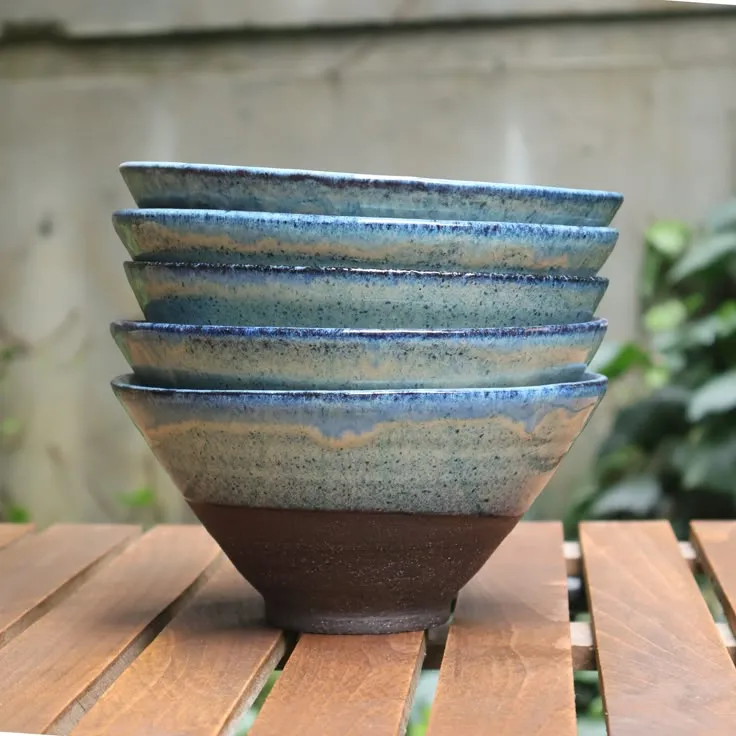
Set the table before you're exhausted. Two minutes with an actual placemat and the good chopsticks — the ones you've been saving for guests who never come — signals to everyone (including you) that this meal is an event, not a pit stop.
Cook for the people in the room, not the ones in your head. We all cook aspirationally — the recipe we saw online, the diet we keep meaning to start. Ichigo ichie says: look up. Your partner hates cilantro. Your daughter will eat anything if it's shaped like a triangle. Tonight's meal should be for them.
Name the moment. This sounds hokey, but try it once: before eating, one sentence about the day. "First week of soccer season done." That tiny acknowledgment is what makes the meal unrepeatable — because the day was.
Let the season onto the plate. Japanese cooking follows shun — eating ingredients at their peak moment. Strawberries in June, squash in October. Even at the supermarket, choosing what's actually in season ties your meal to this specific week of your life.
End with something small. A cup of tea. A single square of chocolate. A closing gesture tells your brain: that was an occasion.
What This Looks Like in an American Kitchen
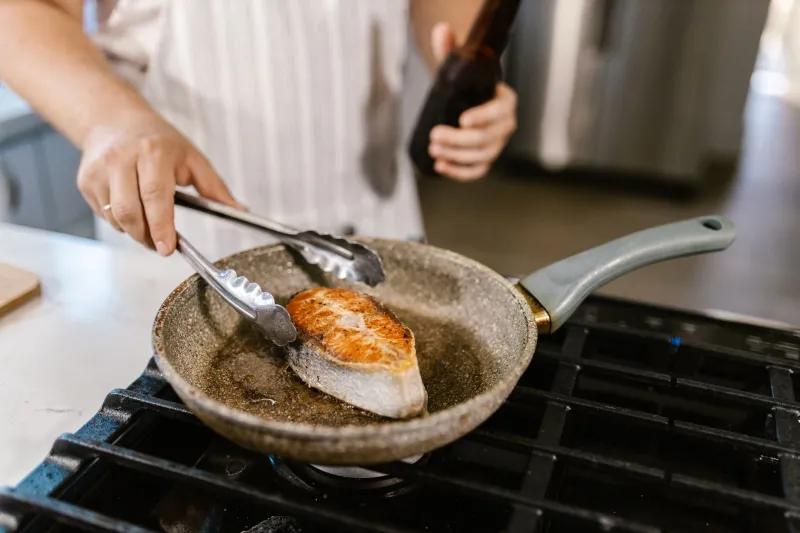
Last month I hosted four friends on a random Thursday — no birthday, no holiday, no reason. I didn't cook anything complicated: grilled salmon, rice, cucumber quick-pickle, store-bought mochi. But I set the table with care, put my phone in a drawer, and told everyone why we were eating on a Thursday. Nobody forgot that dinner. Nobody would have remembered takeout.
Ichigo ichie isn't a productivity hack or a hosting strategy. It's a quiet argument that the meals in front of you — the ordinary, unphotographed, weeknight ones — are not rehearsals for a better life. They are the life. And each one only happens once.
So tonight, when you light the stove: one time, one meeting. Make it count.